Exhibitions
Early Exposure: Teaching Print
Outside Higher Ed
Exhibition Statement
by Blake Sanders
I’ve lost track of the number of times a printmaking faculty has said to me that they wish students had found out about printmaking earlier in their education, so they didn’t discover they loved it after their academic track was set. How can we hook them younger? What’s the print equivalent of Saturday morning cartoons?
Print has a reputation as expensive and equipment reliant, so it’s not always considered for kids or when teaching on a budget. We know that in fact, it can be accesible to all. A wooden spoon is a portable press in a pinch afterall. Seeds planted early can make more confident printmakers when students get access to all the bells and whistles a university studio can provide.
As higher ed is under threat by shifting demographics, dwindling economic security, and a conservative movement that has demonized education and expertise, the promise of future print job growth at the university level is surely diminished. For folks driven to educate, there is another path, if they have the flexibility and patience to go into K-12 or workshop teaching in community-centered institutions. Making room in university curriculum to help prospective teachers translate print techniques to different ages and resource levels would be a win win as those soon to be teachers produce future print students for their alma maters!
Early Exposure has been an idea germinating for some time. It made sense to publish for this issue to complement SGCI’s new K-12 Curriculum Initiative. These virtual workshops introduce five distinct print disciplines, employing techniques that can be used in a classroom with students of all ages, no press necessary. The initiative has introduced dozens of new members to the organization. We hope to expand our reach in the future and provide K-12 centered programming at the 2027 conference and beyond.
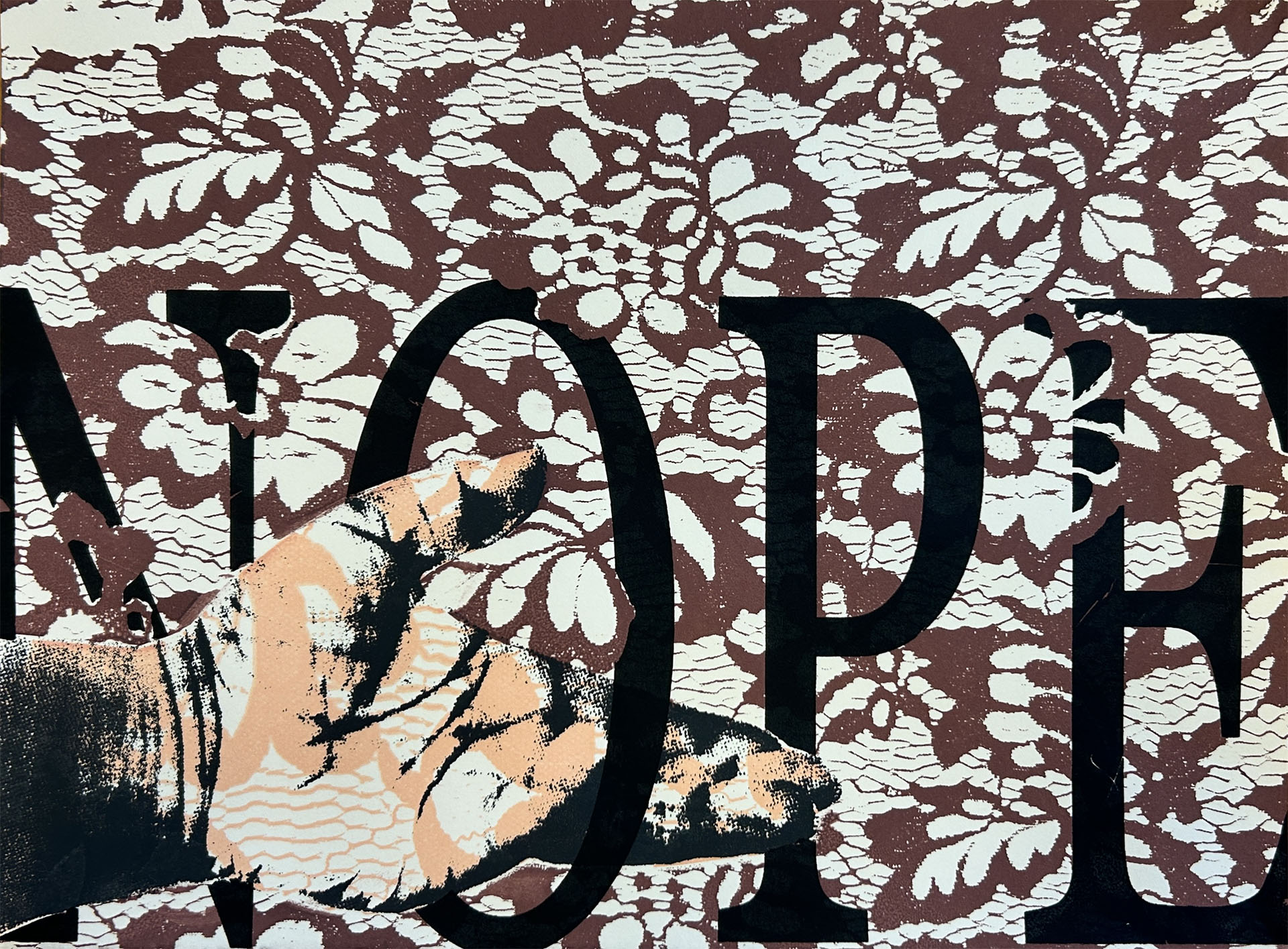
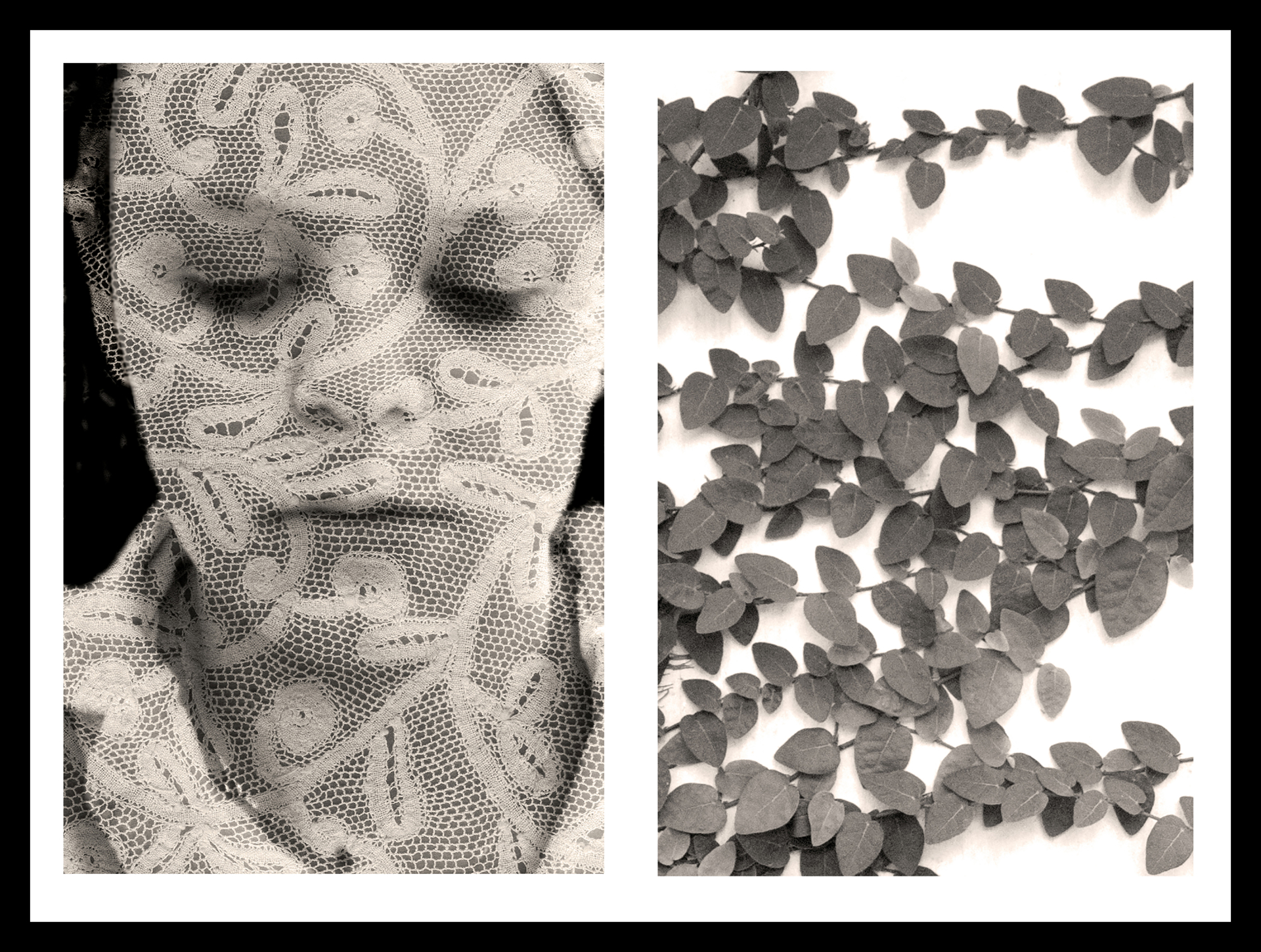
Each of the artists in Early Exposure have a robust professional practice that complements their teaching philosophies. Mary Jane Parker’s poetic, precise work, employing print and glass fusion, goes hand in hand with the aesthetic intricacies of her New Orleans home and the intensive technical and professional development on display in her student work. Her piece, Tattooed, evokes the way I felt creatively branded by the wrought iron motifs and live oaks that encroached and embraced as I walked the uneven sidewalks of the city.
Jennifer Hughes’ deeply personal work—including touching lithographs like Waiting to Lick the Beaters—surely influence her curriculum geared toward investigating technique, culture, and identity in equal measure. That litho simultaneously brings me back to my grandmother’s kitchen and the exquisite drawing of Charles White.
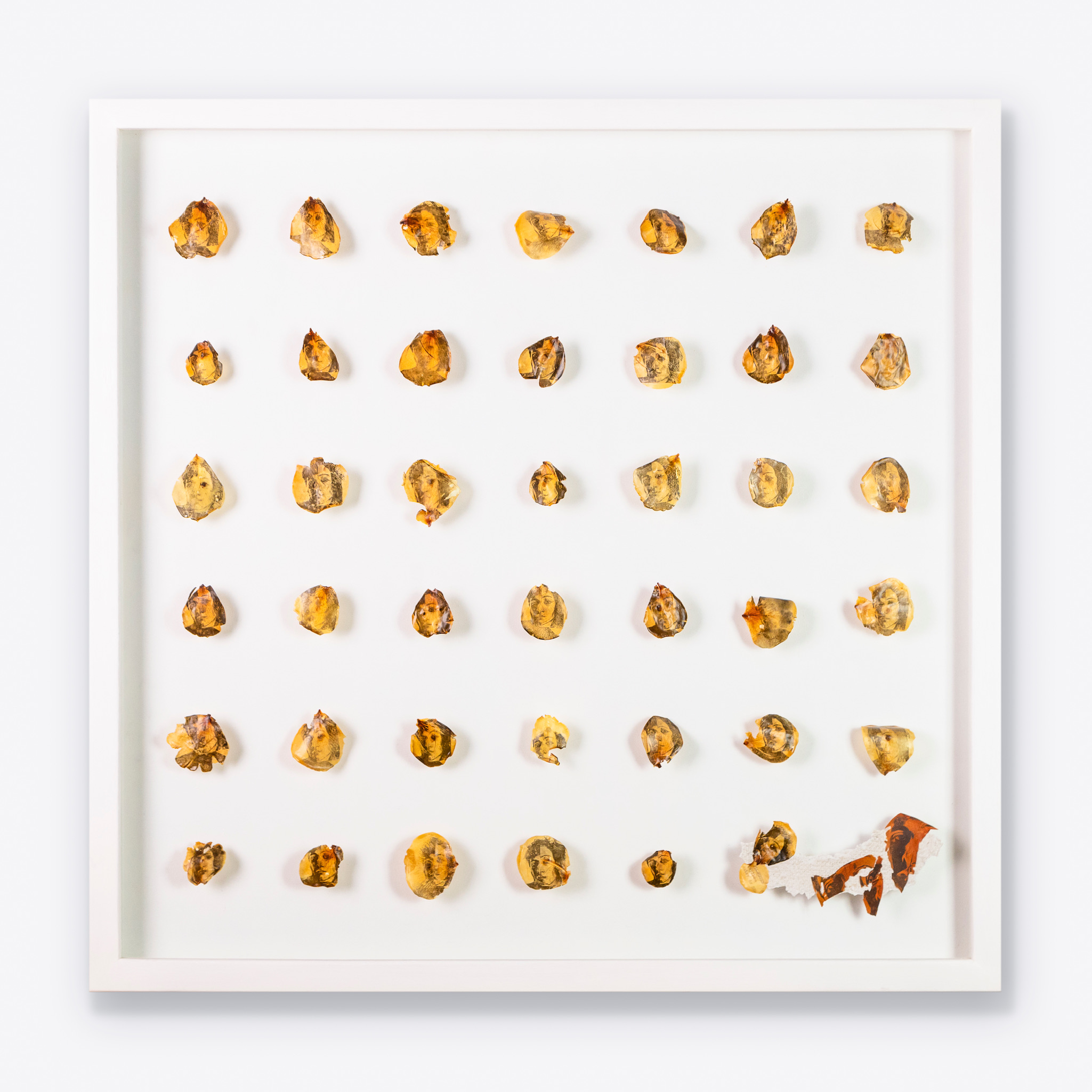
Luciano Pozo, has developed a unique, evocative print process through experimentation and dedication. That commitment to persistence and play is on display in the evidence of teaching workshops he shares with us in the exhibition. Printmaking can be science heavy. Pozo’s Florisgraphy is technical but welcoming as a path of rose petals.
The educators in this exhibition have outstanding print facilities and their students have remarkable art opportunities presented to them. They have graciously shared their student work and teaching resources with the readers. There are so many more teaching artists who are finding ways to include print in their curriculum and their art making with fewer resources. The workload and responsiblities of non-academic print educators means despite over a dozen invitations to folks around the hemisphere, three exceptional educators are representing for a whole field. In the future I hope to include more artists teaching out of community print shops, museums, other public serving institutions, and their own studios. Anywhere print is being taught should be celebrated. Are you teaching print outside the Academy? Please reach out!
Graphic Impressions is published by SGC International. SGC International is an educational non-profit organization committed to informing our membership about issues and processes concerning original prints, drawings, book arts, and handmade paper.
Graphic Impressions Updates
Submissions
We encourage your submissions to Graphic Impressions. Submission types include:
- Feature articles
- Reviews
- Interviews
- Studio visits
- Exhibitions
- Demonstrations or process-based content